Vapor Barrier Installation in Tuscaloosa, AL
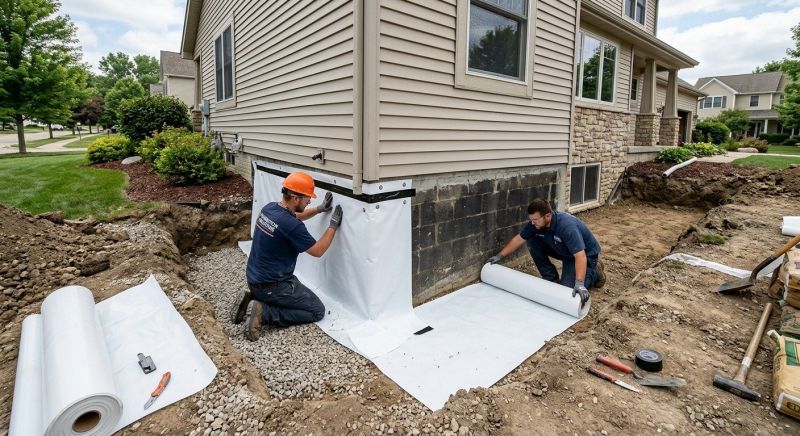
Vapor barrier installation is a service that involves placing a protective layer of plastic or other moisture-resistant material beneath flooring, in crawl spaces, or within basement walls to prevent moisture from seeping into the property. This process is commonly requested for projects such as basement renovations, crawl space encapsulation, or new flooring installations, where controlling humidity and moisture levels is essential to maintain structural integrity and indoor air quality. Property owners typically want to understand the types of vapor barriers available, the areas that benefit most from installation, and how the barrier can help reduce issues like mold, wood rot, or musty odors.
Before requesting vapor barrier installation, homeowners should consider the specific needs of their property, including the current moisture levels and the condition of existing insulation or foundation walls. It is also helpful to know the scope of the project, such as whether it involves a new construction, renovation, or repair, and any additional moisture control measures that might be recommended. Clear communication about these factors can ensure that the appropriate materials and installation methods are used to effectively manage moisture and protect the property's long-term stability.
Many property owners in Tuscaloosa, AL look into Vapor Barrier Installation for repairs, replacements, upgrades, and appearance-related improvements.
Benefits Of Vapor Barriers
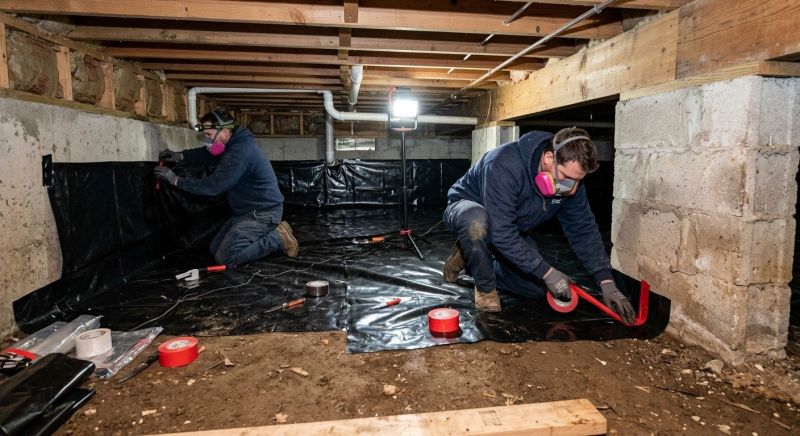
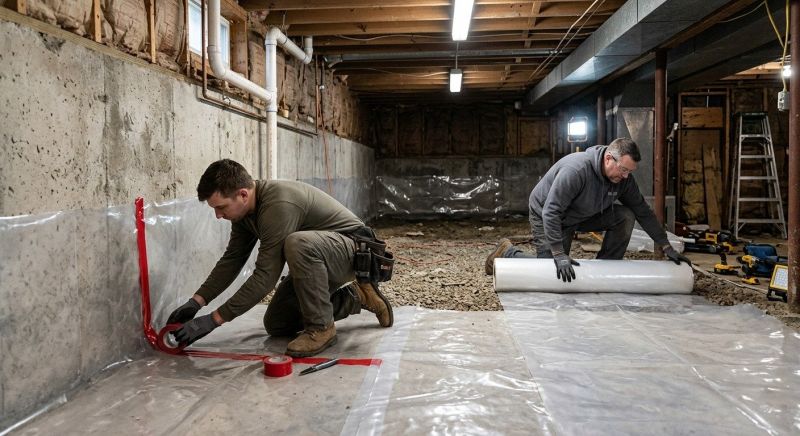
Installing a vapor barrier helps control moisture and prevent mold growth in basements and crawl spaces.
Common Installation Areas
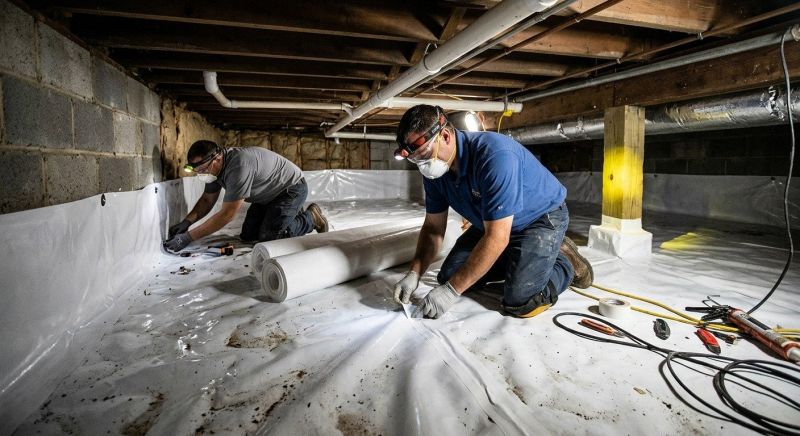
Vapor barriers are typically installed in areas like attics, crawl spaces, and underneath concrete slabs in tuscaloosa homes.
Material Options
Various vapor barrier materials are available, including polyethylene sheets and specialized membranes for different property needs.
Vapor Barrier Installation in Tuscaloosa, AL

Vapor barrier installation is a service that involves placing a protective layer of plastic or other moisture-resistant material beneath flooring, in crawl spaces, or within basement walls to prevent moisture from seeping into the property. This process is commonly requested for projects such as basement renovations, crawl space encapsulation, or new flooring installations, where controlling humidity and moisture levels is essential to maintain structural integrity and indoor air quality. Property owners typically want to understand the types of vapor barriers available, the areas that benefit most from installation, and how the barrier can help reduce issues like mold, wood rot, or musty odors.
Before requesting vapor barrier installation, homeowners should consider the specific needs of their property, including the current moisture levels and the condition of existing insulation or foundation walls. It is also helpful to know the scope of the project, such as whether it involves a new construction, renovation, or repair, and any additional moisture control measures that might be recommended. Clear communication about these factors can ensure that the appropriate materials and installation methods are used to effectively manage moisture and protect the property's long-term stability.
Many property owners in Tuscaloosa, AL look into Vapor Barrier Installation for repairs, replacements, upgrades, and appearance-related improvements.
Common Vapor Barrier Installation Jobs
Basement projects - vapor barriers help prevent moisture seepage and mold growth.
Attic insulation - installing vapor barriers can improve energy efficiency and air quality.
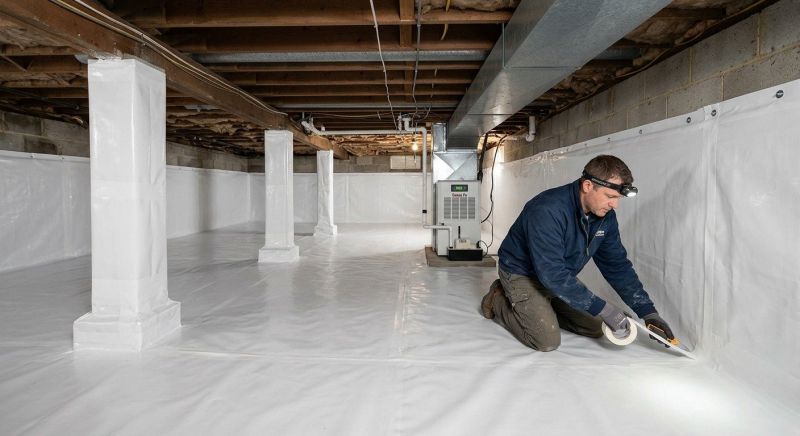
Crawl space sealing - vapor barriers protect against ground moisture and structural damage.
Garage conversions - vapor barriers reduce humidity and improve indoor comfort.
New construction - proper vapor barrier installation ensures long-term moisture control.
Existing home upgrades - adding vapor barriers can enhance indoor air quality and durability.
Vapor Barrier Installation Questions
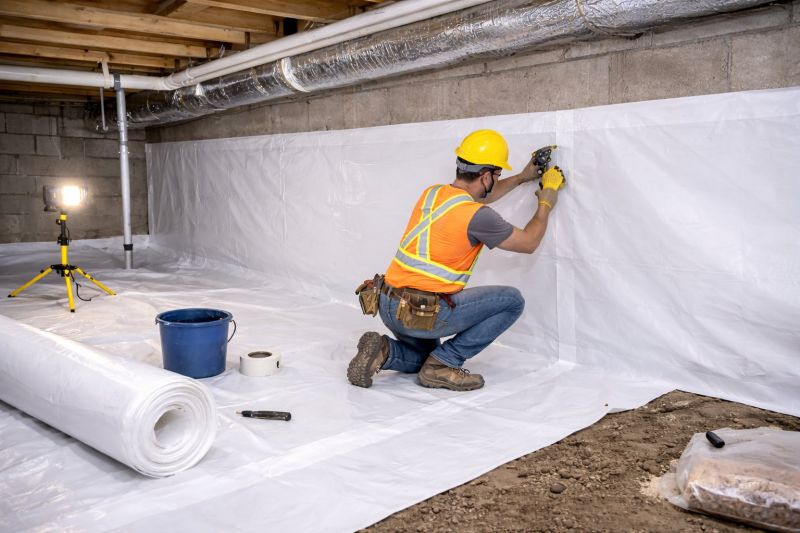
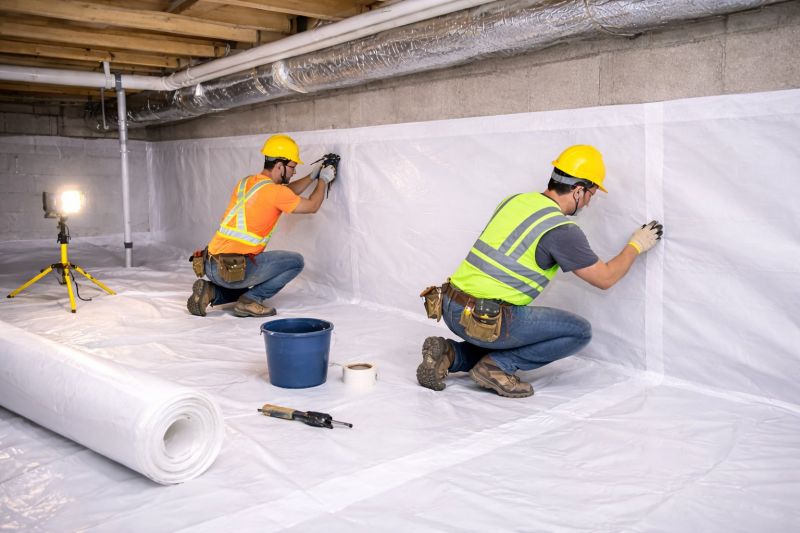
What is a vapor barrier? A vapor barrier is a material installed to prevent moisture from passing through floors or walls, helping to reduce mold and structural damage.
Where are vapor barriers typically installed? They are commonly installed in crawl spaces, basements, and underneath concrete slabs to control moisture levels.
What materials are used for vapor barriers? Polyethylene plastic sheeting is the most common material used for vapor barriers due to its durability and effectiveness.
Why is vapor barrier installation important? Proper installation helps maintain indoor air quality, prevents wood rot, and reduces mold growth caused by excess moisture.
Request Vapor Barrier Installation in Tuscaloosa, AL
Use the quote form on this page to share the basics of your project and request more information for the type of work you need.