Get Foundation Stabilizing
Foundation stabilizing services offered by local contractors address foundation cracks, settling, or shifting issues in residential or commercial properties.
Foundation stabilizing services address a common concern for property owners experiencing uneven floors, cracked walls, or shifting structures. These issues can impact the safety, value, and longevity of a property, making it important to explore professional solutions. Local contractors specializing in foundation stabilization can assess the specific needs of a property and recommend practical approaches to restore stability and structural integrity.
Property owners in the area often consider foundation stabilizing work as part of ongoing maintenance or preparation for future projects. Comparing options from experienced service providers can help identify effective methods tailored to the unique conditions of each property. Continuing to explore this work can lead to well-informed decisions that support the long-term stability of a property.
- Foundation Stabilizing - when a home shows signs of uneven floors or visible cracks in walls.
- Pier and Beam Foundation Support - when the structure shifts or settles due to soil movement or moisture changes.
- Slab Foundation Reinforcement - if cracks or sinking indicate the need for additional support beneath a concrete slab.
- Underpinning Services - when existing foundation stability is compromised by soil erosion or other structural issues.
- Foundation Leveling - if your property experiences uneven settling that affects the building’s alignment.
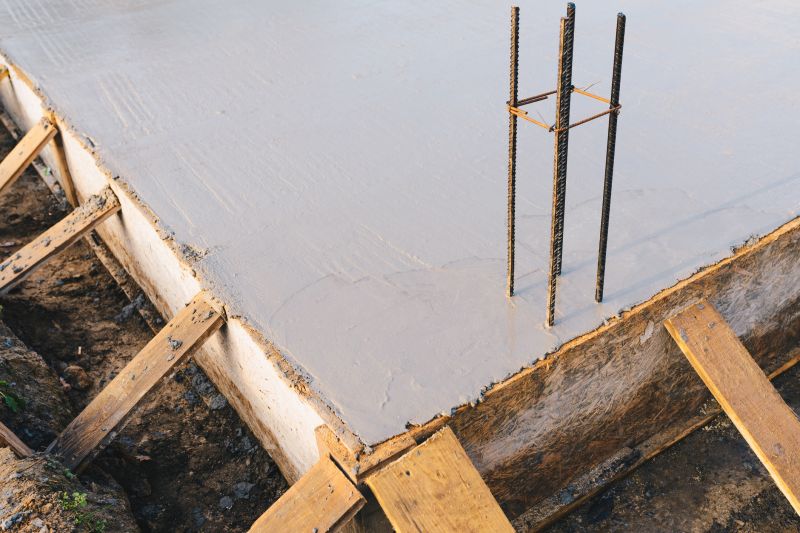
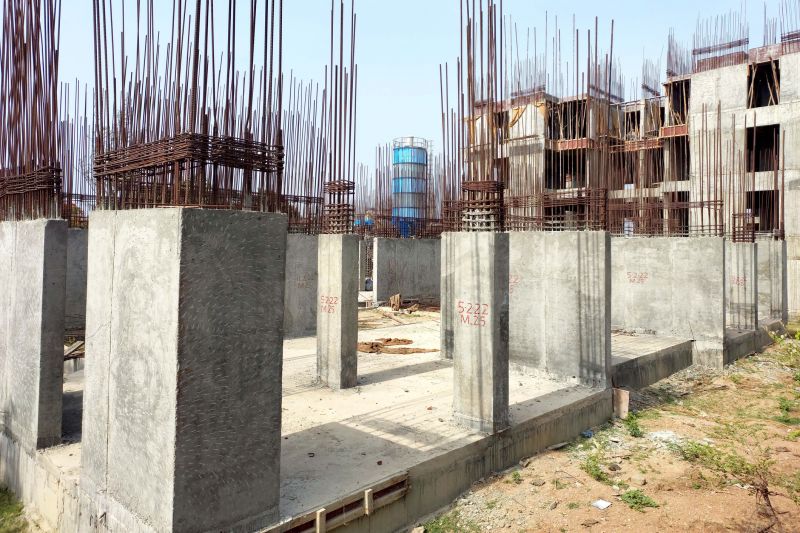
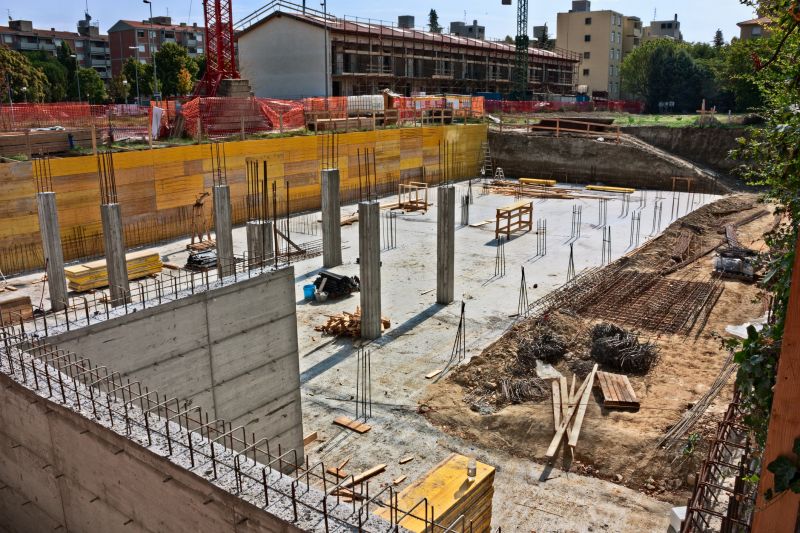
Foundation stabilizing services involve specialized techniques to reinforce and support the structural integrity of a building’s foundation. Over time, shifts in soil, moisture changes, or poor initial construction can cause a foundation to settle unevenly or develop cracks. These services typically include methods such as underpinning, piering, or installing helical piles, which help to restore stability and prevent further movement. By addressing these underlying issues, foundation stabilizing can help protect the entire structure from future damage and maintain its safety and durability.
Many common problems indicate the need for foundation stabilizing services. Signs such as uneven or sagging floors, cracked walls or ceilings, doors and windows that no longer close properly, or visible cracks in the foundation are often warning signs. These issues can be caused by soil shifting beneath the property, water intrusion, or age-related wear. When these symptoms appear, it’s advisable to consult with local contractors who specialize in foundation stabilization to assess the situation and recommend appropriate solutions before more extensive or costly repairs become necessary.
Properties that frequently require foundation stabilizing include homes built on expansive clay soils, which are prone to swelling and shrinking, as well as older houses that have experienced long-term settling. Commercial buildings, especially those with large footprints or heavy loads, may also need stabilization to ensure safety and operational stability. Additionally, properties located in areas with significant moisture fluctuations or prone to flooding are more susceptible to foundation issues. Contacting experienced local service providers can help determine if foundation stabilization is a suitable step to preserve the value and safety of these types of properties.
Homeowners and property managers should consider foundation stabilizing services if they notice signs of foundation movement or damage. It is a practical approach to addressing issues early before they escalate into structural failures. Local contractors who specialize in foundation stabilization can evaluate the specific conditions of a property and recommend tailored solutions. Whether dealing with minor settlement or more significant shifting, these services are designed to provide long-term support and help maintain the stability of residential and commercial properties alike.
The overview below groups typical Foundation Stabilizing projects into broad ranges so you can see how smaller, mid-sized, and larger jobs often compare in your area.
In many markets, a large share of routine jobs stays in the lower and middle ranges, while only a smaller percentage of projects moves into the highest bands when the work is more complex or site conditions are harder than average.
Smaller Repairs - Typically, local contractors charge between $250 and $600 for minor foundation stabilization work, such as small cracks or localized settling. Many routine jobs fall within this range, though costs can vary based on the specific issues and property size.
Moderate Projects - Medium-scale stabilization services usually range from $1,000 to $3,500. These projects often involve multiple areas or slightly more complex work, which can lead to higher costs depending on the extent of the foundation issues.
Large or Complex Jobs - Larger projects, including extensive stabilization or repair of multiple foundation sections, can range from $4,000 to $8,000 or more. Fewer projects fall into this tier, as they typically involve significant structural work or challenging conditions.
Full Foundation Replacement - Complete foundation replacement is a major undertaking with costs generally starting around $20,000 and can exceed $50,000 for very large or complicated structures. These projects are less common and represent the upper end of typical stabilization service costs.
Actual totals will depend on details like access to the work area, the scope of the project, and the materials selected, so use these as general starting points rather than exact figures.
Soil Stabilization Projects - local contractors use similar techniques and tools to improve ground stability, supporting foundation integrity.
Retaining Wall Construction - building retaining walls involves planning and skills related to soil management and load support, relevant to foundation stabilization.
Pier and Beam Foundation Repair - these services require assessing soil conditions and implementing stabilization methods similar to foundation support work.
Drainage and Waterproofing Projects - managing water flow and soil moisture is crucial for foundation stability, making these projects related in planning and execution.
Concrete Lifting and Leveling - raising and leveling uneven concrete surfaces involves soil and ground assessment skills applicable to foundation stabilization.
Site Excavation and Grading - preparing and modifying land for construction shares techniques used in foundation support and soil stabilization efforts.
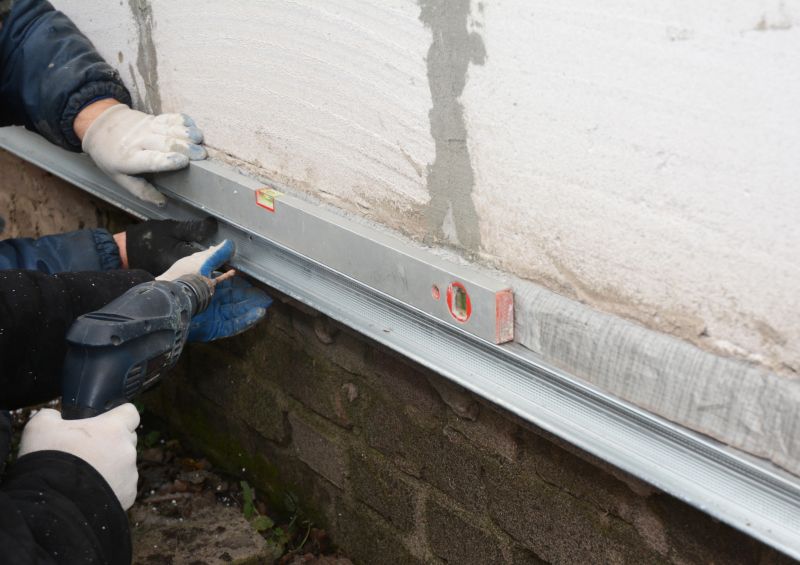
When comparing service providers for foundation stabilizing, it’s important to consider their experience with similar projects. Homeowners should look for local contractors who have a proven track record of handling foundation issues comparable to their own. Asking about previous work can provide insight into the contractor’s familiarity with the specific challenges involved and their ability to deliver effective solutions. An experienced professional is more likely to understand the nuances of foundation stabilization and to recommend appropriate methods based on the unique conditions of the property.
Clear, written expectations are essential to ensure everyone is aligned on the scope of work and the process involved. Homeowners should seek out service providers who can provide detailed proposals or written estimates that outline the work to be performed, materials used, and any warranties or guarantees offered. Having this information in writing helps prevent misunderstandings and provides a reference point throughout the project. It also demonstrates the contractor’s professionalism and commitment to transparency, making it easier to compare options objectively.
Good communication and reputable references are key indicators of a dependable local contractor. Homeowners can ask service providers for references from past clients with similar projects and follow up to learn about their experiences. Additionally, a contractor’s responsiveness to questions and their ability to clearly explain the work process can significantly impact the overall project experience. Reliable service providers prioritize open dialogue and maintain professionalism throughout the process, helping homeowners feel confident in their choice. Remember, the site introduces homeowners to local options but does not perform the work itself, so gathering this information is a vital step in selecting the right partner for foundation stabilization.
Property owners use Foundation Stabilizing services for practical projects around their homes and businesses. This guide focuses on everyday jobs and straightforward project options.
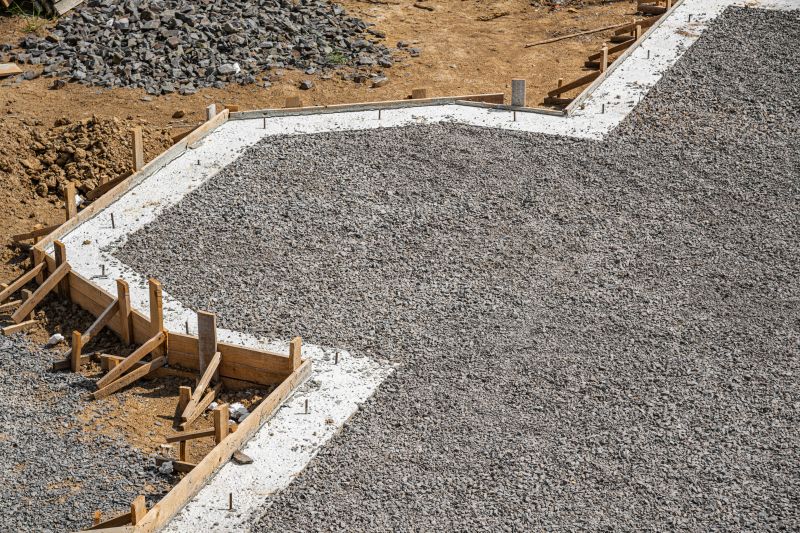
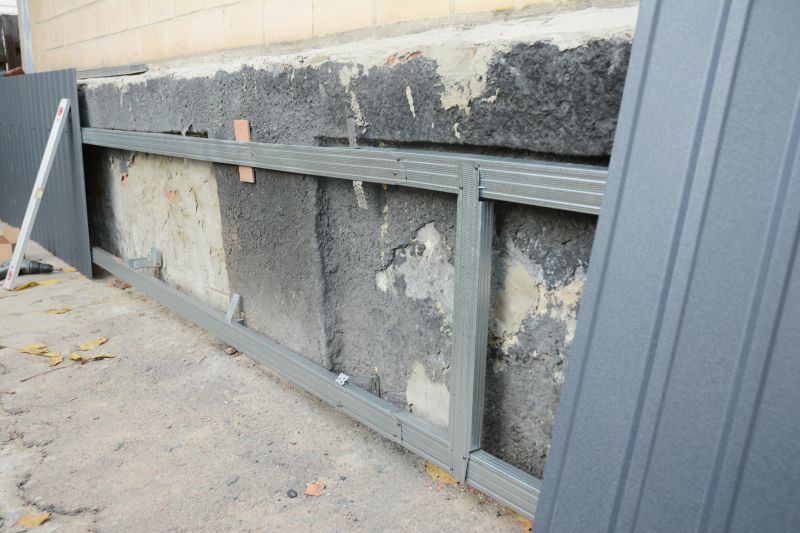
Foundation stabilizing services are often needed when homeowners notice uneven floors, cracked walls, or doors and windows that don’t close properly. These common signs can indicate shifting or settling of the property’s foundation, which may occur over time due to natural soil movement or changes in moisture levels. Local contractors experienced in foundation work can assess these issues and provide solutions to help restore stability and prevent further damage.
Property owners might seek foundation stabilizing services after experiencing minor cracks or noticing that their home’s structure feels unsteady. Such work can also be a proactive step if planning renovations or repairs that require a solid and level foundation. Local service providers specializing in foundation stabilization can offer the expertise needed to address these everyday concerns and help maintain the safety and integrity of a home.
What are foundation stabilizing services? Foundation stabilizing services involve techniques used by contractors to reinforce and support a building’s foundation, helping to prevent or repair settling and shifting issues.
How do contractors stabilize a foundation? Local service providers may use methods such as underpinning, piering, or mudjacking to improve foundation stability based on the specific needs of the structure.
What signs indicate a need for foundation stabilization? Signs include uneven floors, cracked walls or ceilings, sticking doors or windows, and visible cracks in the foundation or exterior walls.
Can foundation stabilization prevent further damage? Yes, properly performed stabilization can help prevent additional foundation movement and reduce the risk of structural damage over time.
What types of foundation stabilization methods are available? Common methods include pier installation, underpinning, and mudjacking, each suited to different types of foundation issues and soil conditions.
Foundation Stabilizing Solutions - Property owners can explore foundation stabilization options to prevent further settling or shifting of their home.
Foundation Repair Consultation - Homeowners may seek professional assessments to identify underlying issues affecting the stability of their property.
Structural Reinforcement Services - Local contractors can provide reinforcement techniques to strengthen weak or compromised foundation areas.
Settlement Prevention Strategies - Property owners can implement measures to maintain the integrity of their foundation and avoid future damage.
If you are thinking about Foundation Stabilizing for a property, this guide is meant to help you understand the work, the typical project types, and how different options might fit your plans.
When you are ready, you can use the quote form on this page to share a few details about your project. From there, local pros can review the basics and respond with options that match what you have in mind.